
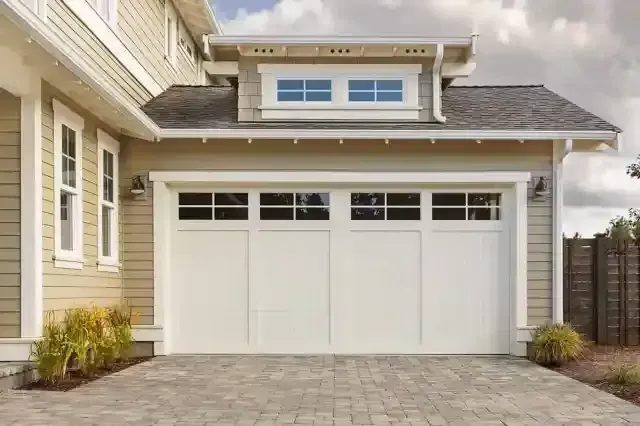
Understanding Local Building Codes for Garage Doors in Stinnett, TX and Surrounding Areas
Local building codes play a critical role in garage door installation and replacement for homeowners in Stinnett, TX and surrounding areas. These regulations are designed to ensure safety, structural integrity, and long-term performance of garage doors. Understanding how building codes apply helps homeowners avoid costly mistakes, inspection failures, and potential safety hazards while ensuring their garage doors meet legal and insurance requirements.
What Are Building Codes for Garage Doors and Why Do They Matter?
Building codes are standardized regulations established to protect homeowners and structures from safety risks. For garage doors, codes govern installation methods, materials, load resistance, and operational safety. Compliance ensures that doors function correctly, withstand environmental stress, and do not pose hazards to occupants. Ignoring these codes can result in fines, forced replacements, or insurance complications.
How Do Local Building Codes Affect Garage Door Installation?
Local codes influence everything from door size and track systems to mounting hardware and clearance requirements. Installations must follow approved procedures to ensure doors operate smoothly and safely. Improper alignment or non-compliant materials can lead to failed inspections or premature wear. Local enforcement ensures installations meet area-specific safety and structural standards.
Are Permits Required for Garage Door Installation or Replacement?
Many jurisdictions require permits for new garage door installations or major replacements, especially when structural changes or electrical components are involved. Permits ensure the work is inspected and approved by local authorities. Skipping permits can lead to penalties or difficulties during property resale, making compliance an essential part of any garage door project.
How Do Wind Load and Structural Requirements Impact Garage Doors?
Building codes often specify wind load ratings to ensure garage doors can withstand pressure from strong winds and storms. Doors that do not meet these requirements may buckle or fail, compromising the entire structure. Reinforced panels, tracks, and hardware are commonly required to meet local structural standards and protect the home.
What Safety Features Are Required by Garage Door Codes?
Garage door safety codes typically require features such as auto-reverse mechanisms, photoelectric sensors, and proper spring systems. These features prevent injuries and accidents by stopping or reversing door movement when obstructions are detected. Compliance ensures safe operation for families, pets, and vehicles.
Do Garage Door Openers Have Code Requirements?
Yes, garage door openers must meet specific safety and electrical standards. Codes regulate mounting height, wiring, and safety sensor placement. Openers must function reliably and integrate with safety features to prevent malfunction or injury. Professional installation ensures these requirements are met correctly.
How Do Building Codes Affect Garage Door Materials and Design?
Codes may dictate acceptable materials based on durability, fire resistance, and structural integrity. Certain designs or materials may be restricted if they do not meet safety or performance standards. Choosing compliant materials ensures longevity, safety, and approval during inspections.
Can Non-Compliant Garage Doors Affect Insurance or Home Value?
Non-compliant garage doors can lead to denied insurance claims or reduced property value. Insurance providers may refuse coverage if installations do not meet code requirements. Buyers and inspectors often check for compliance during property transactions, making code adherence essential for resale value.
Why Is Hiring a Professional Important for Code Compliance?
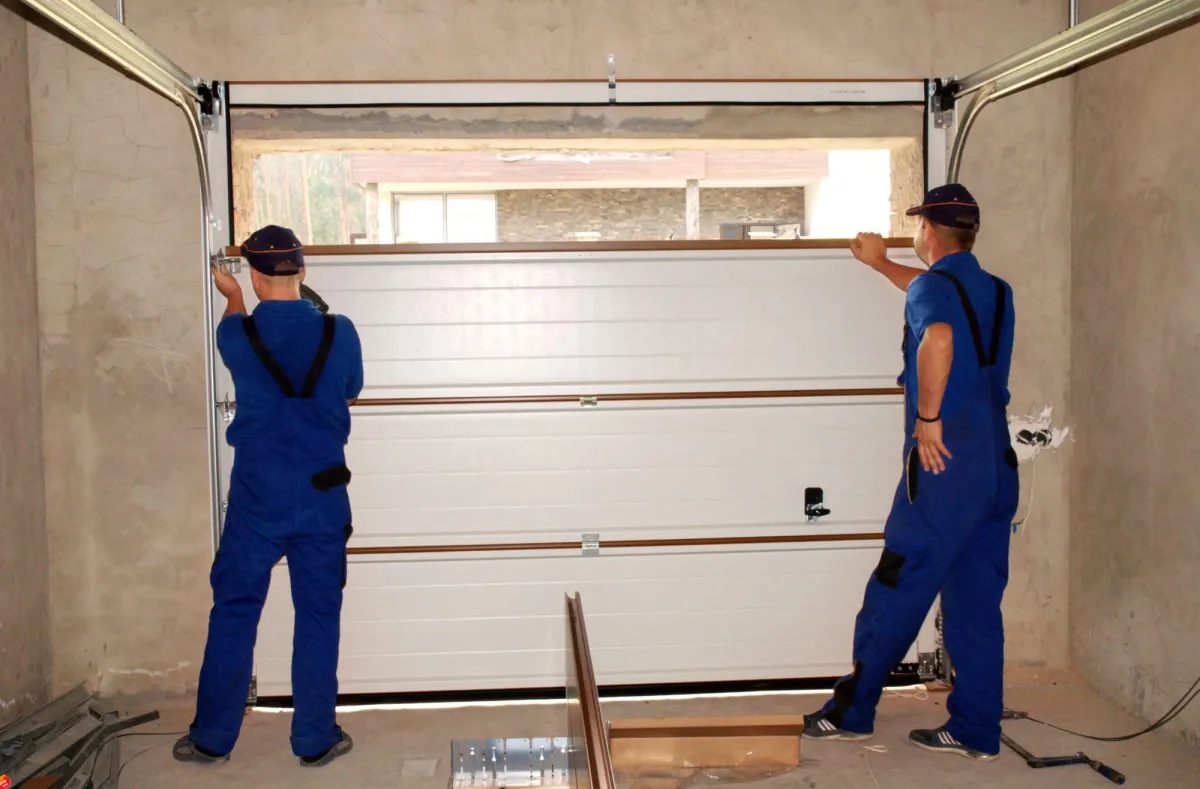
Professional installers understand local building codes, permitting processes, and inspection requirements. Their expertise ensures proper installation, minimizes risks, and avoids costly corrections. Hiring licensed professionals provides peace of mind and guarantees that the garage door meets all applicable standards.
Final Thoughts
Understanding local building codes for garage doors helps homeowners in Stinnett, TX and surrounding areas ensure safety, compliance, and long-term performance. From permits and wind load ratings to safety features and materials, code adherence protects both property and occupants. Working with knowledgeable professionals ensures installations meet regulations while enhancing functionality and value.
Do all garage door replacements require permits?
Permit requirements vary, but many replacements involving structural or electrical work require approval.
What happens if a garage door does not meet code?
Non-compliance can result in failed inspections, fines, or required replacement.
Are older garage doors required to meet current codes?
Older doors may be grandfathered in, but upgrades often must meet current standards.
Can I install a garage door myself and still meet code?
DIY installation is possible but risky without knowledge of local code requirements.
Do garage door inspections occur after installation?
Yes, inspections are often required to confirm safety and code compliance.
Contact Us
Terms & Conditions
Privacy Policy